
Car Accident Deposition Questions: What You May Be Asked
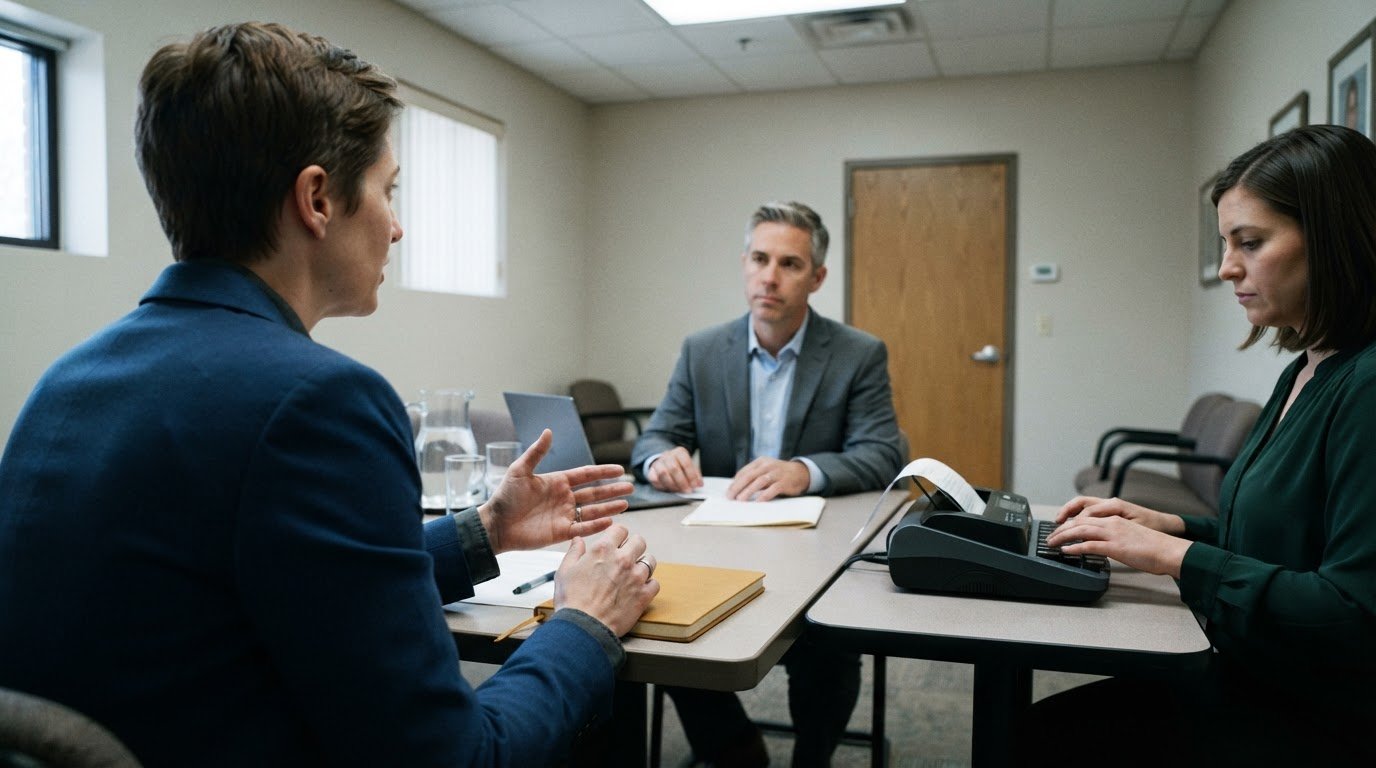
A car accident deposition isn’t a trial, but you’ll answer questions under oath, and a court reporter will record your testimony. Knowing what questions are asked in a car accident deposition starts with the main topics: your background, the crash, your injuries, and how they have affected your life. You’re generally expected to answer, though your attorney may intervene in limited circumstances.
It’s understandable to want a clear idea of what lies ahead. A deposition can feel formal, but understanding its format and the topics attorneys may cover can make the process easier to follow.
This guide explains what a deposition is and when one may happen, then covers common questions about your background, the collision, medical care, and its ongoing effects. It also explains what to do if you don’t know or remember an answer, and whether you must answer every question.
Key Takeaways
-
Understand how a deposition fits into a car accident lawsuit and when you may be asked to give one.
-
Prepare for questions about your background, the crash, your injuries, and the care you received.
-
Learn how questions about work and daily activities can help explain the ongoing effects of an injury.
-
Know how to respond when you don’t remember a detail, and why guessing can create problems.
-
Find out how a case evaluation and legal information resources can help you consider your next steps.
Table of Contents
-
Do I Have To Answer All The Questions?
-
What Are Car Accident Depositions and When Might You Give One?
-
What Kinds Of Questions Are Typically Asked At A Deposition?
-
Ongoing limitations and effects on work and daily activities
-
What a car accident deposition is
-
EMS Accident Cases
Do I Have To Answer All The Questions?
In general, a deponent is expected to answer deposition questions. An attorney may intervene to prevent an answer in rare cases when a question crosses a line. The exact response depends on the question and the legal issues in the case, so don’t assume you can skip a topic simply because it feels personal. If you’re unsure how to respond, pause and let your attorney address the concern.
Questions about prior accidents, injuries, and medical conditions help establish your health history before the crash. You may be asked when an earlier injury happened, which body part it affected, whether you had surgery, and what treatment you received. Questions may also cover chronic conditions and medications you regularly took before the collision.
Basic background questions can establish who you are and where you lived. In a sample outline, plaintiffs are asked to provide every address from the previous 10 years. Expect questions about your current address, household, education, and work history. For example, an attorney may ask which schools you attended and the dates or periods you studied there.
Employment questions may cover your job duties, work schedule, and time away from work. A sample outline asks about missed work during the previous five years. You might be asked to identify employers, describe your role, and explain whether your injuries affected particular tasks. Answer with what you recall, and don’t fill gaps by guessing.
Common background topics include:
-
Living situation: Your current address, past residences, and who lived with you at a relevant time.
-
Education: Schools attended, degrees or training, and when you completed them.
-
Work history: Employers, job titles, duties, and periods away from work.
-
Health history: Earlier accidents, injuries, surgeries, chronic conditions, and regular medications.
-
Legal history: Prior claims or lawsuits related to an accident or personal injury.
Answer the question asked, then stop. If you don’t understand a term such as “chronic condition,” ask for clarification before responding. If you can’t recall a date, say so rather than offering a confident estimate. A careful answer is more useful than an invented detail, especially when testimony may later be compared with medical records or settlement discussions.
Not every question will concern the collision itself. A question about an earlier back injury, for example, may help distinguish pre-existing symptoms from injuries you attribute to the crash. Your attorney can address an improper or overly broad question during the deposition. Listen, answer truthfully, and avoid adding details the question didn’t ask for.
What Are Car Accident Depositions and When Might You Give One?
A deposition is sworn testimony taken before trial as part of the lawsuit’s discovery process. If a car accident case proceeds toward trial, you may be asked to give one before courtroom testimony is needed.
Preparing With a Lawyer
Preparing with a lawyer means reviewing the deposition process and the subjects you may be asked about before you testify. Your lawyer can explain who will attend, how questions are asked, and how the court reporter records your answers. This helps you understand the setting and respond carefully without trying to memorize a rehearsed account.
At the deposition, you’ll answer questions under oath, usually from the opposing attorney, while your lawyer is present. A court reporter records your testimony and prepares a written transcript. Depositions generally last no more than seven hours in one day, according to U.S. Courts. The actual time depends on the case and how many topics need discussion.
A deposition may happen when a car accident lawsuit is moving toward trial. People negotiating an insurance settlement or reaching an out-of-court agreement generally won’t need to give one. The purpose is to let the parties ask relevant questions and understand the testimony before trial, not to decide the case during the session.
Reviewing Documents and Evidence
Reviewing documents and evidence means becoming familiar with records related to the collision and your account. Before a deposition, preparation may include looking at accident photos and videos, witness statements, the police report, and medical records. These materials can help put events in context and distinguish what you remember personally from details documented elsewhere.
Medical records may prompt questions about treatment, injuries, and medical expenses. Your lawyer can help you understand the records and identify topics that may arise, such as a difference between a recorded date and your memory. A document isn’t a reason to change your recollection; explain accurately what you remember.
To tell your story clearly, listen to the whole question before answering. Keep your answer focused, and ask for clarification if a question is confusing. Don’t guess about speed, timing, or distance when you can’t recall them, or speculate about what another driver saw or intended. Avoid volunteering unrelated details or agreeing with a statement you don’t understand. If you need a break, tell your lawyer.
Preparation isn’t about sounding polished. It’s about understanding the procedure, reviewing relevant records, and giving truthful answers in your own words. If you’re seeking help finding legal support after a collision, connect with an attorney through EMS Accident Cases.
What Kinds Of Questions Are Typically Asked At A Deposition?
Questions often follow a timeline, from what happened before the collision to its effects afterward. Your answers help explain the events, medical care, and issues raised in a lawsuit.
Pre-Crash Conditions and Events
Questions about conditions before the crash establish what you were doing and experiencing before impact. You may be asked where you were headed, when you left, which route you took, and how fast you were driving. Attorneys may also ask about traffic, weather, visibility, and road conditions. These details put your account in context and clarify what may have affected your ability to see or respond.
Questions may also address activities shortly before the crash. For example, you might be asked whether you were tired, distracted, or using a phone. A sample deposition outline asks whether you consumed alcohol or drugs during the 24 hours before the accident. Answer from memory, and distinguish what you recall from what you’re estimating.
Crash Events and Aftermath
Questions about the collision ask you to describe how the vehicles approached and what happened at impact. Attorneys may ask where each driver was positioned, what you saw immediately beforehand, and how fast the vehicles were moving. They may also ask about traffic signals, signs, lane markings, or whether a control device appeared obscured or malfunctioning.
Questions may continue through the moments after impact. You may be asked what you did next, who spoke with you, and whether anyone arrived at the scene. A sample outline asks plaintiffs to identify people who arrived within two hours after the accident. Questions may also cover statements to other drivers, witnesses, or responders. Distinguish what you observed personally from what someone else told you.
Physical Impact of the Crash
Questions about physical impact explore how the collision affected your body and when symptoms appeared. You may be asked where you were seated, how your body moved, and whether you noticed pain or other symptoms right away. For example, an attorney could ask whether you felt pain at the scene or only later that day.
Expect questions about injuries, medical care, and treatment after the crash. Attorneys may ask when you first sought care, which providers treated you, and whether you followed their recommendations. They may also ask about gaps in treatment, continuing symptoms, or expected future care. These details help connect your reported injuries with the care and losses for which you seek compensation.
Variation in Deposition Questions
Yes, deposition questions and procedures may vary depending on the state, court, and claims involved. The topics depend on the issues in the lawsuit, but local rules can affect how a deposition is conducted and which objections arise.
For example, a claim involving disputed traffic signals may prompt detailed questions about roadway conditions, while a claim focused on medical injuries may center on treatment. Your attorney can explain the rules that apply to your case and how they may shape the questions you face.
Ongoing limitations and effects on work and daily activities
A deposition may explore how injuries affect your routine after the crash. The plaintiff’s testimony can describe changes in work, household responsibilities, relationships, and activities. For example, a witness with a shoulder injury may explain difficulty lifting groceries or reaching overhead. Specific examples help show what changed and when those changes happened.
Questions about work may cover your job duties before the accident and what you can do now. You may be asked whether pain, limited movement, or medical appointments affected your schedule. If you missed work, expect questions about when you were absent, how your duties changed, and whether you returned to the same role. Describe the actual effects without overstating or minimizing them.
Daily activities provide another way to describe limitations. An attorney may ask whether you can drive, prepare meals, clean, exercise, or care for children as before. If a task takes longer, requires help, or causes symptoms, explain with a concrete example. For instance, describe whether standing to cook brings on pain instead of saying only that chores are difficult.
Questions may also address relationships and social activities. You could be asked whether injuries affected time with family, household roles, or activities you previously shared with others. Explain what changed, such as needing a relative to handle a task you used to do. Tie your answers to your own experience, not assumptions about what others think.