
Drowsy Driving Accident Claims Compared With Drunk Driving Cases
Sleep loss can impair driving much like alcohol, but proving it after a crash can be harder. In drowsy driving accident claims, evidence such as a driver’s admission, witness accounts, and crash records may help show fatigue contributed; unlike alcohol impairment, there’s no direct test for driver fatigue. After 18 hours awake, impairment is comparable to a blood alcohol content of 0.05%.
It’s understandable to think the driver who caused a crash should be held responsible, but fatigue can be less visible than intoxication. Drowsy-driving crashes can cause serious injuries, and signs of fatigue may become clear only after investigators piece together what happened before impact.
This article explains how drowsy-driving dangers compare with drunk driving, what evidence may support a claim, and how insurance negotiations can address medical bills, lost wages, and other harm. It also covers records that can help document losses and steps to clarify your options after a collision.
Key Takeaways
-
Preserve crash-related records and document your injuries and missed work to create a clearer account of the losses you’re claiming.
-
Build a timeline of the driver’s actions before impact; details about travel, rest periods, and driving behavior may help explain how fatigue contributed.
-
Insurance negotiations can involve questions about responsibility, supporting evidence, and the value of documented losses.
-
Medical bills and lost wages are part of the damages to document, while the applicable insurance process can depend on state law.
-
Learn how a free MVA case evaluation and attorney connection can help you understand possible next steps after a crash.
Table of Contents
-
Injured in an accident Caused By a Drowsy Driver?
-
Evidence used to prove a drowsy driving claim
-
Legal representation and insurance negotiations
-
Compensation for medical bills and lost wages
-
Drowsy driving compared with drunk driving
-
EMS Accident Cases: Connect MVA Victims With Attorneys
Injured in an accident Caused By a Drowsy Driver?
After a suspected fatigue-related crash, prioritize medical care, report the collision to police, and preserve records. There is no single national filing deadline: for example, Michigan generally allows three years from the accident date, Florida generally allows two years for many recent negligence claims, and Washington allows three years.
Post-Crash Steps and Evidence Preservation
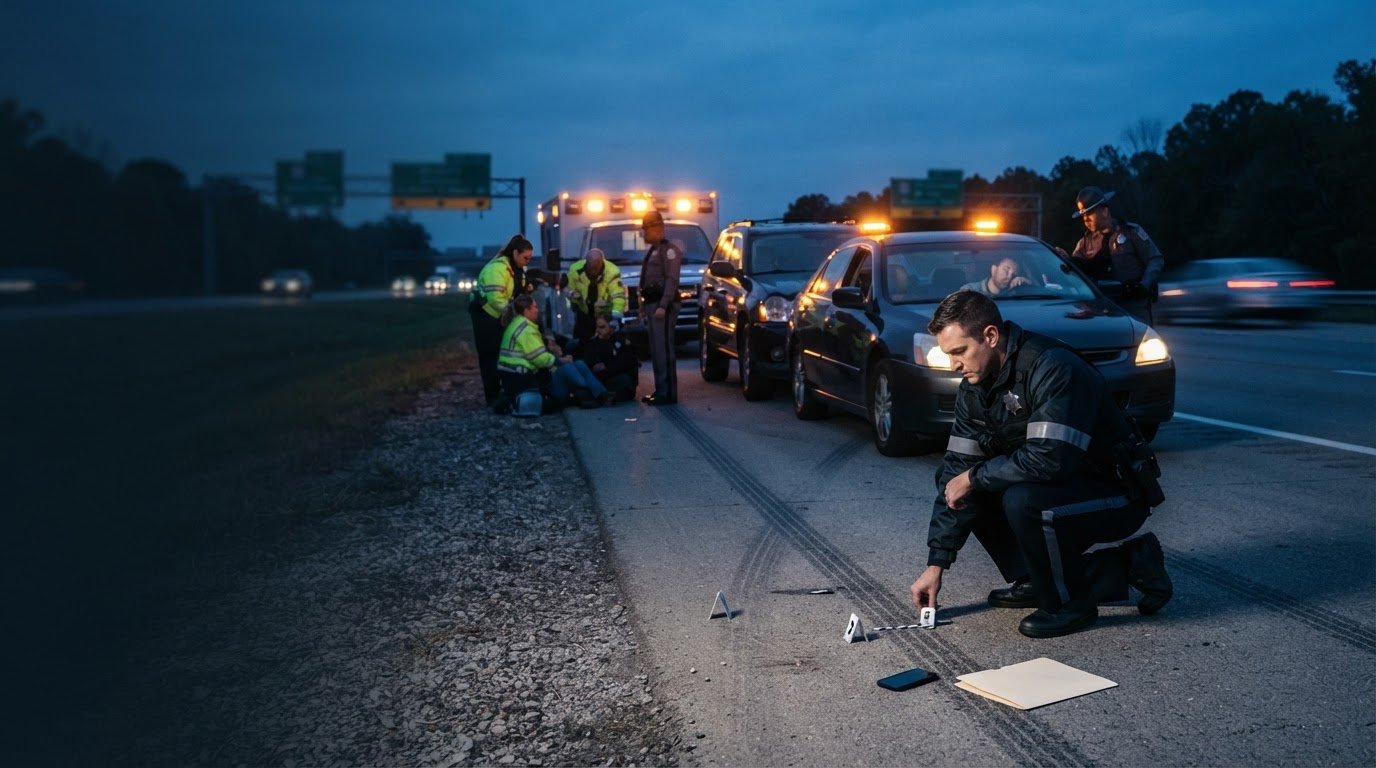
At the scene, call emergency services, report any injuries, and give police a factual account of what you observed. Don’t speculate about whether the other driver was tired. If it’s safe, photograph vehicle positions, road conditions, damage, nearby signs, and visible skid marks. Collect witnesses’ names and contact details, then note the time, route, and driver’s statements while your memory is fresh.
Keep copies of the police report, medical records, repair estimates, and crash-related messages. Save original photos and videos with their timestamps, and don’t edit them. If a vehicle may contain event data, such as braking or steering inputs, note its make and model for investigators. A written timeline can connect the collision, reported injuries, and later treatment.
Crash Characteristics and Timing
Drowsy-driving crashes occur most frequently between midnight and 6 a.m. or in the late afternoon. They often happen on rural roads or highways, where a driver may run off the road at high speed. A crash involving one driver, no passengers, and no visible braking can raise questions about fatigue, but those details alone don’t prove why the collision occurred.
Note the location, direction of travel, lighting, and road surface. For example, if a vehicle leaves a straight highway without apparent braking, investigators may examine the driver’s condition and actions before impact. Photographs of the roadway and vehicle positions can preserve details for comparison with witness accounts and police records.
Proving Driver Negligence
A claim generally must show that the driver owed a duty of care, breached that duty, caused the crash, and caused resulting injuries or damages. Police may record an admission that the driver was tired or fell asleep. Witnesses can describe swerving, drifting between lanes, nodding off, or erratic driving. These accounts can help establish a timeline without treating fatigue as a given.
There is no direct test for driver fatigue comparable to an intoxication test, so evidence may come from several sources. An event data recorder can capture speed, braking, and steering inputs before impact; GPS logs may show how long and how far the driver had traveled. An absence of skid marks may suggest no braking, but investigators consider it alongside other evidence.
Potentially Liable Parties
The driver may be liable when evidence supports negligence and links it to the collision and injuries. An employer or trucking company may also share fault if its actions contributed, such as ignoring required rest periods or allowing an unrealistic delivery schedule. For commercial drivers, the Federal Motor Carrier Safety Administration’s hours-of-service rules are found in 49 CFR Part 395.
For property-carrying commercial drivers, Federal Motor Carrier Safety Administration rules generally allow up to 11 driving hours after 10 consecutive hours off duty, within a 14-hour window. Electronic logging device records can show driving time and rest periods. Preserve details about the truck, company, route, and delivery schedule; investigators can compare those records with witness accounts and the crash timeline.
Evidence used to prove a drowsy driving claim
Fatigue is difficult to establish from a single record. A useful investigation connects the driver’s conduct, trip details, crash evidence, and documented injuries in a consistent timeline.
Evidence Preservation and Investigation
Organize records by date, including the police report, medical documents, repair paperwork, and trip-related communications. Keep original photographs and videos, and note who created each file and when. This context can distinguish an image taken at the scene from one captured later, after vehicles or road conditions changed.
For a commercial vehicle, identify the truck and its carrier so relevant electronic logging device records can be considered. These devices automatically track driving time and rest periods. An attorney may compare those entries with GPS logs, route information, and the collision timeline. Record witnesses’ names and the specific details each person observed.
Evidence of Sleep Deprivation
Evidence of sleep deprivation can include the driver’s account, witness observations, and records that help establish the driver’s schedule. A statement such as “I fell asleep” may be relevant, as may a witness describing repeated lane drifting before impact. Preserve the exact wording and the speaker’s identity rather than relying on a later summary.
In New York, drivers who slept less than 7 hours the night before were significantly more likely to be involved in a crash than drivers who slept longer. A prior-night sleep account can therefore form part of the investigation, alongside available travel or work records. For a commercial trip, electronic logging device data can help show driving and rest periods, while GPS logs may add route and travel-duration context.
Accident-Scene Evidence
Scene photographs and videos can preserve vehicle damage, roadway layout, traffic controls, lighting, and the vehicles’ final positions. Take images from several safe viewpoints, including wide views of the surrounding road and close-ups of damage. Keep the original files; labels or notes can identify where each image was taken.
Witnesses can provide details photographs cannot capture, such as a vehicle drifting between lanes or the driver’s behavior before impact. Ask witnesses to describe what they personally saw and heard, then preserve their contact information. An accident reconstruction report may analyze crash dynamics, while vehicle records can help assess speed, braking, and steering before impact.
Organizing these materials can make it easier to discuss evidence and possible next steps with an attorney. A free MVA case evaluation can help clarify how an attorney connection may fit your situation.
Legal representation and insurance negotiations
A settlement depends on documented losses, evidence of fault, and applicable insurance coverage, not a fixed payout schedule. Medical bills, repair costs, lost wages, and pain and suffering help document damages; shared fault and policy terms can also affect recovery.
During negotiations, organize each claim document by date and connect it to the collision. Before responding, compare the insurer’s explanation with the records supporting liability and losses.
Legal Representation
An attorney can assess whether the available evidence supports a claim that the drowsy driver acted dangerously and caused the collision. The review may connect witness accounts, police records, trip details, and injury documentation. Bring a clear timeline to a consultation, including insurer communications and any request for a recorded statement.
Ask how the attorney will assess disputed fault, identify responsible parties, and present documented losses. If an insurer questions whether the driver was asleep, for example, the claim may need to explain how witness descriptions and vehicle records fit together.
Insurance Disputes and Investigation
An insurer may dispute whether fatigue caused the crash, whether its policy covers the responsible party, or whether claimed losses relate to the collision. Identify the specific disagreement and match it with relevant documents. A medical record can establish treatment; an employer record can help substantiate missed work.
Keep a dated log of calls, letters, and claim decisions. If the insurer requests more information, note what it needs and any deadline it gives you. A focused response can address the stated issue without sending unrelated records.
Insurance Claims and Settlement Advice
Before accepting an offer, compare it with documented medical expenses, repair bills, wage loss, and descriptions of pain and suffering. Check whether the insurer included each supported category and explained any reduction. Keep copies of bills and wage records, and identify missing amounts in writing.
Read any release carefully before signing. It may affect your ability to pursue additional compensation for the same collision. If an offer relies on shared fault, ask which evidence supports that allocation and how the insurer applied the relevant state rule.
Settlement and Payout Calculation
There is no universal formula for valuing every drowsy-driving claim. An assessment starts with evidence of responsibility and documented losses, then considers insurance coverage and applicable fault rules. Medical records, repair bills, lost-wage evidence, and descriptions of pain and suffering can support the amount claimed.
For example, an insurer reviewing a disputed claim may compare treatment records with bills and wage documentation, then assess how the evidence supports fault. Keep a simple ledger of each expense, its date, and the supporting record. This makes gaps easier to identify during negotiations.
Compensation for medical bills and lost wages
Compensation after a fatigue-related crash depends on documented losses, available insurance, and applicable state rules. Organize medical expenses and wage records so each claimed amount is clearly connected to the collision.