
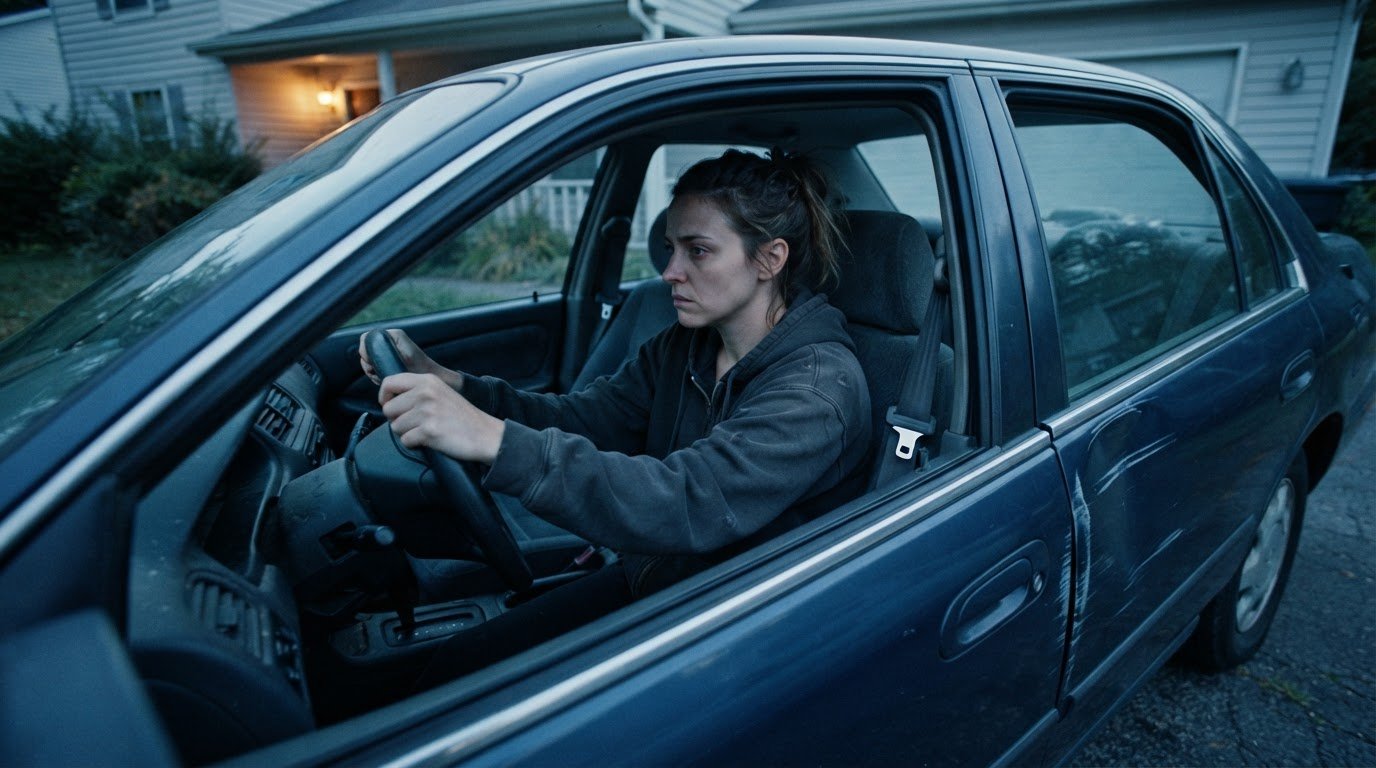
Feeling overwhelmed after a car accident and its emotional effects
The injuries that linger after a car accident aren’t always visible. Feeling overwhelmed after a car accident can involve anxiety, anger, or a sense that what happened was unfair. In some cases, psychological injury may be part of a claim, depending on the circumstances, the evidence, and the applicable rules.
It’s understandable if your emotions feel difficult to manage, even when others expect you to move on. Stress reactions can follow a frightening event, while PTSD is a distinct condition whose symptoms may persist or disrupt daily life. Understanding the difference can help you decide what support to seek and what details may matter if you’re considering a claim.
This article explains common emotional effects after a crash, how post-accident stress differs from PTSD, and how psychological harm may factor into a car accident claim. It also covers when professional support may help and what records can show how the crash has affected you.
Key Takeaways
-
Emotional effects after a crash can include fear, anxiety, anger, and a sense of unfairness, and they may affect everyday activities.
-
Short-term stress reactions and PTSD are different; notice whether symptoms persist, worsen, or disrupt daily life.
-
Professional support can help address distress, especially when symptoms make driving, sleeping, working, or concentrating difficult.
-
Psychological harm may be relevant to a car accident claim; treatment records and details about daily-life impacts can help explain what you’ve experienced.
-
Understanding how emotional effects relate to a claim can help you consider whether a case evaluation and attorney connection may be a useful next step.
Table of Contents
-
Common emotional effects after a car accident
-
PTSD, depression, and anxiety after a crash
-
What’s the difference between normal post-accident stress and PTSD?
-
Can I include psychological injury in my car accident claim?
-
Anxiety, anger, and feelings of unfairness
-
EMS Accident Cases
Common emotional effects after a car accident
Emotional distress can appear after a crash, alongside physical pain or injury. Reactions vary, so notice any changes in daily routines and relationships.
Feeling Overwhelmed After a Crash
Feeling overwhelmed after a car accident means emotions or demands feel harder to manage than usual. Fear, shock, anger, or confusion can make ordinary decisions, such as arranging transportation, feel difficult. You might replay the collision while trying to return to work. Naming the reaction can help you explain what has changed and seek appropriate support.
Family members can react, too, even if they weren’t in the vehicle. A child might become unusually quiet, while a partner may feel anxious when someone drives. Try a direct check-in: ask what feels difficult today, then listen without pressing for details. This simple step can reveal needs that a busy household might otherwise miss.
Emotional Distress and Mood Changes
Emotional distress can involve persistent unease, irritability, sadness, or feeling detached after a collision. Mood changes may affect sleep, concentration, conversations, or decisions about driving. Someone who is usually patient, for example, might snap at family while discussing repairs. These effects can disrupt routines and relationships, even when the person appears composed at work.
If distress includes suicidal thoughts, call 988 for free, confidential emotional support in the United States. You can also tell someone you trust that you’re struggling and ask them to stay with you while you seek support. If talking feels difficult, write down the main concern, such as fear of riding in a car, and share that note.
Emotional and Physical Reactions
Common reactions include fear, anger, confusion, and distress; physical pain or injury can add to the strain. What are common emotional and physical reactions after a car crash? They can include emotional shock, difficulty concentrating, pain, and trouble sleeping. Reactions differ, so describe the specific changes rather than judging whether they seem serious enough.
When should you seek medical care after a car accident, even if you feel okay? Contact a medical professional if you notice symptoms, feel unwell, or remain concerned, even if you initially felt fine. For practical next steps in the United States, prioritize safety, seek medical assessment when needed, note emotional or physical changes, and tell someone you trust what support would help. Keep notes factual, such as when driving anxiety or sleep difficulties occur.
PTSD, depression, and anxiety after a crash
Emotional symptoms can change after a collision, from early shock to distress that disrupts everyday routines. Their pattern, intensity, and effect on driving, sleep, or concentration can help show what support may be useful.
Flashbacks and Crash-Related Nightmares
Flashbacks and nightmares are distressing memories or dreams that bring parts of a crash back into someone’s awareness. A driver might hear a sudden horn and feel transported to the collision, or wake repeatedly after dreaming about impact. These reminders can make sleep and concentration harder. Notice what triggers them, such as traffic sounds or a particular intersection, and describe those patterns when seeking professional support.
Behavioral Changes After a Crash
Behavioral changes are shifts in how someone acts, sleeps, socializes, or manages familiar tasks after a collision. An adult may avoid riding in cars, withdraw from friends, or become unusually irritable. Children can show distress differently: nightmares, bedwetting, mood changes, outbursts, or declining school performance may appear. PTSD rates among children and adolescents injured in crashes range from 6% to 25%; one estimate finds about 13% meet PTSD criteria.
A child’s behavior is useful information, not a diagnosis. Note concrete changes, such as refusing the school bus or waking from nightmares, and share them with a qualified professional. One study found 33% of children were moderately affected four to seven months after a crash, while 11% were severely affected. These findings underline why changes in a child’s routine deserve attention.
Shock Reactions
Psychological shock is an intense early response that can affect clear thinking and emotional control. It typically peaks during the first few hours and may last 24 to 72 hours. During that period, a person may feel numb, confused, frightened, or unable to focus. People experiencing shock should avoid driving and other risky tasks requiring concentration, including operating equipment.
PTSD, depression, and persistent anxiety are distinct possible effects, not interchangeable labels. About 32.3% of car accident survivors experience PTSD, 17.4% experience depression, and 5.8% develop persistent anxiety. Possible PTSD symptoms include flashbacks, nightmares, sleep difficulties, detachment, concentration problems, heightened startle response, mood swings, and helplessness. A mental health professional can assess symptoms rather than relying on a single reaction.
Calming Down Immediately
To calm down after a crash, first move away from immediate danger if you can do so safely. Then pause before driving or making demanding decisions. Try steady breathing: breathe slowly, hold your breath for a count of five, then release it gently. Repeat only if comfortable. Someone you trust can stay nearby and help with practical tasks while you regain focus.
Talking with someone you trust can make the next step clearer. If shock reactions persist or worsen beyond 2-3 weeks, seek professional support; consider a mental health assessment if they continue or worsen one month or longer after the crash. For claim-related questions about emotional effects, discuss your next steps.
What’s the difference between normal post-accident stress and PTSD?
Stress can follow a traumatic crash, but distress alone doesn’t establish a disorder. One symptom can’t reliably distinguish anxiety, depression, or PTSD; the pattern, impact on daily life, and a professional assessment matter.
Post-Traumatic Stress Disorder
Post-traumatic stress disorder (PTSD) is a mental health condition that can develop after a traumatic event, including a car crash. It matters because recurring symptoms may interfere with sleep, relationships, concentration, or travel, even after immediate danger has passed.
A difficult night or upsetting thought doesn’t by itself mean PTSD. A professional considers the full pattern, including whether crash reminders bring intense emotional distress, whether symptoms recur, and how they affect everyday activities. For example, avoiding a necessary ride because of overwhelming fear provides useful context for an assessment.
The DSM-5 is the diagnostic manual mental health professionals use to define acute stress disorder (ASD) and PTSD. Assessment considers the person’s experiences and symptoms rather than relying on a single reaction. Describe what happens, when it happens, and what has become harder since the collision.
Concussions and PTSD Risk
A concussion is a mild traumatic brain injury and can matter when assessing emotional symptoms after a crash. Mild traumatic brain injuries double the likelihood of developing PTSD within one year of a traumatic event such as a car accident.
That relationship doesn’t mean everyone with a concussion will develop PTSD. It does mean physical and psychological changes both deserve attention. Difficulty concentrating after a head injury, for example, may overlap with distress or disrupted sleep, so mention the concussion and emotional changes during an assessment.
Share relevant details about the crash, any head injury, and changes you’ve noticed since. A clear account helps a professional consider the whole situation instead of treating one symptom as the complete explanation.
Recognizing Anxiety, Depression, and PTSD
Anxiety, depression, and PTSD can overlap, so symptoms alone may not clearly distinguish them. Anxiety may involve fear or persistent worry; depression can involve low mood or reduced interest; PTSD can include crash-related reminders and emotional distress. These examples can guide a conversation, but they aren’t a self-diagnosis.
Track concrete effects, such as difficulty sleeping, trouble concentrating at work, avoiding a familiar route, or withdrawing from people you usually speak with. Note whether a change follows a crash reminder or appears in different situations. That context helps explain how distress affects daily life.
If symptoms feel serious or keep disrupting routines, seek a mental health assessment. Explain what changed, how often it happens, and whether you were diagnosed with a concussion. A qualified professional can assess the pattern and distinguish possible conditions, including anxiety, depression, ASD, or PTSD.
Can I include psychological injury in my car accident claim?
Psychological injury may be considered in a car accident claim when evidence connects the distress to the crash. Effects on treatment, work, and daily activities help explain the harm.
Physical Injuries and Mental Health
Physical injuries and mental health can affect each other during recovery. Pain, reduced mobility, or a lengthy treatment routine may add strain, while flashbacks or anxiety can make attending appointments harder. Someone with crash-related panic, for example, might avoid the car needed to reach physical therapy. Describing both the physical injury and its emotional effects gives a fuller account of recovery.