
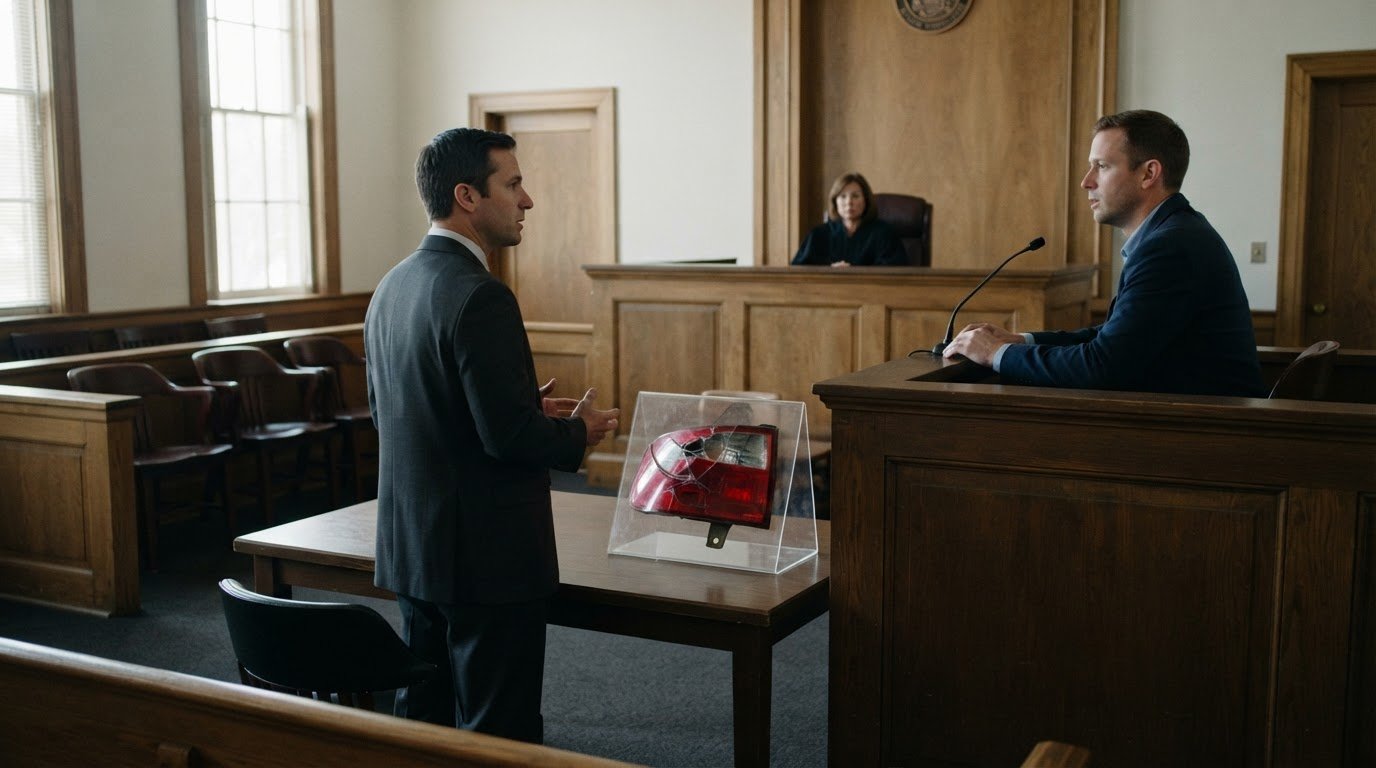
Going to Trial for a Car Accident Case: Costs and Process
Most car accident claims settle rather than go to trial, and less than 5% actually go before a jury. For someone going to trial for a car accident case, the litigation process can include mediation, jury selection, witness testimony, and a final verdict. A trial may take longer and involve additional expenses, while its outcome can result in a higher payout than a settlement offer, a lower award, or sometimes no compensation at all.
Here at EMS Accident Cases, we understand it is crucial to have a clear picture before deciding what comes next. This guide explains how going to trial for a car accident case unfolds, how comparative fault can reduce an award, and what costs may arise, including attorney fees and trial expenses. It also covers the emotional and financial pressures of preparing for court, helping you weigh the trade-offs between settling and asking a jury to decide your case.
Key Takeaways
-
Separate the attorney’s contingency fee from case expenses; expert witnesses and court costs can affect how much remains from a recovery.
-
Plan for a meaningful time commitment: a serious injury trial typically takes several days, and multiple parties or expert witnesses can extend it to weeks.
-
Consider how the jury’s allocation of fault could affect an award, and how insurance policy limits may cap compensation.
-
Keep privacy in mind: filed court papers are generally public record, and trials are open for the public to watch.
-
Prepare for the personal demands of participating, including jury selection and testimony.
Table of Contents
-
Contingency fees and trial expenses
-
Emotional and financial effects of trial
-
Trial stages and jury verdicts
-
Comparative fault and reduced awards
-
How often car accident claims go to trial
-
EMS Accident Cases: Free MVA Case Evaluation
Contingency fees and trial expenses
In Florida, contingency fees can make the attorney’s payment depend on the case outcome. The fee is calculated as a percentage of the recovery, rather than an hourly charge. For personal injury cases resolved without a lawsuit, the cited Florida fee is 33% of the settlement amount. When a lawsuit is filed and pursued, the fee generally rises to 40%. These figures describe the stated fee arrangements; the written agreement explains the percentage and how it applies to a specific case.
That difference can affect the amount left after settlement. For example, a case resolved during insurance negotiations follows the 33% figure above, while a case requiring a filed and pursued lawsuit generally follows 40%. The fee is separate from case expenses. Before accepting an agreement, understand how it treats both categories, including whether expenses are deducted before or after the attorney’s percentage is calculated. The calculation order changes the net recovery.
Settling generally involves less in legal fees and court expenses than proceeding to trial. A trial may require more preparation, court costs, and expert witnesses to address fault, injuries, or damages. Medical experts may explain treatment and lasting effects, while accident reconstruction specialists may analyze how the collision happened. Their testimony can support an argument, but expert participation adds expense. If a trial result is appealed, further proceedings can also add time and cost.
With a contingency-fee arrangement, attorney fees depend on recovery, so the client does not pay for attorney time regardless of whether the case succeeds. The Florida arrangement described here also involves no upfront cost for going to trial. That does not mean all expenses disappear. Some agreements advance trial costs, including expert witness fees, and repay those expenses from the recovery. If there is no recovery, the agreement determines how advanced expenses are handled.
Ask for a clear written breakdown before deciding whether to settle or continue toward trial. Confirm the contingency percentage, when it changes, and which costs may be advanced. Ask how filing fees, expert charges, and other case expenses affect the final amount. These details matter because a settlement offer is not the same as the net amount you receive after fees and expenses.
-
Attorney fee: The percentage-based payment described in the agreement.
-
Case expenses: Costs such as court fees and expert witness charges.
-
Net recovery: What remains after the fee and applicable expenses are deducted.
For a Florida injury claim, compare the expected net recovery with the costs and uncertainty of trial. A lower settlement may avoid additional expert expenses and court proceedings. Trial may involve those expenses, and an appeal can extend the process. Reviewing the fee agreement alongside likely trial costs can clarify the financial trade-offs before you decide whether to settle or proceed.
Emotional and financial effects of trial
A trial can affect daily life well before a jury hears testimony. Preparing evidence, reviewing records, and discussing the crash may bring difficult events back to mind. Testimony can also feel demanding: the injured person must explain what happened and how the injury changed everyday routines. For example, describing a missed shift or trouble sleeping brings personal consequences into a formal legal process.
The financial contrast is significant, but it is not simply a matter of comparing two amounts. A settlement provides agreed compensation, while a trial may result in more than an offer, less than an offer, or no compensation. A claimant must weigh a definite amount against the possibility of a different verdict. The decision also involves how long expenses may continue and whether medical debt is mounting while the case proceeds.
Consider someone whose injury makes it hard to concentrate at work and disrupts sleep. Those effects shape the person’s experience during litigation and may be part of the evidence about the crash’s impact. A clear account links daily changes to specific examples, such as reduced work hours, difficulty completing household tasks, or missed activities. Juries assess the evidence presented, so consistent descriptions and supporting records can help explain those effects.
The process can create pressure at several stages. Trial preparation takes time for meetings, record review, and practice answering questions. During testimony, the injured person may discuss the collision, treatment, limitations, and financial strain in a public courtroom. The outcome remains uncertain until the jury returns its verdict. That uncertainty can make planning difficult, particularly when regular bills and injury-related costs continue.
A settlement has a consequence beyond its immediate amount: the agreement prevents a claim for additional compensation later if complications arise, even if an injury worsens. By contrast, going to trial leaves the dispute unresolved until a verdict or another resolution. The choice involves more than whether an offer seems adequate today. Consider future needs, ongoing debt, the demands of testimony, and the risk of receiving less than expected.
-
Income: Consider missed work, reduced hours, or difficulty completing usual duties.
-
Health effects: Describe concrete changes such as interrupted sleep or reduced focus.
-
Case demands: Account for preparation time and the possibility of testifying.
-
Outcome: Compare an agreed settlement with the range of possible jury verdicts.
For a clearer view of the personal and financial trade-offs, discuss your case options before deciding whether to settle or continue toward trial.
Trial stages and jury verdicts
A Florida car accident trial proceeds through jury selection, evidence, testimony, and a verdict. You’ll need to participate, including answering questions if you testify.
Stages of a Car Accident Trial
A trial is the courtroom process in which both sides present evidence for a judge or jury to assess. In Florida, a judge orders mediation before a car accident case proceeds to trial. Settlement discussions can continue after a lawsuit is filed, even as trial preparation advances. Knowing these stages helps explain why a scheduled trial date does not necessarily mean the dispute will reach a verdict.
At trial, lawyers present their positions and evidence, then call witnesses to explain relevant events or issues. Evidence may include medical records, testimony, and expert opinions about injuries or how the crash happened. The injured person may need to attend jury selection and the trial. A serious-injury jury trial typically takes several days; cases with multiple parties and experts can take weeks.
Jury Verdicts
A jury verdict is the jury’s decision after considering the evidence and arguments presented at trial. It resolves disputed questions, including whether the evidence supports the injured person’s claim and what compensation may be awarded. The verdict determines the trial’s outcome rather than simply accepting either side’s preferred result.
The jury’s decision may result in more compensation than a settlement offer, less than the offer, or no compensation. Jurors assess the evidence, including witness accounts and expert testimony. The verdict depends on how the evidence addresses the crash, the claimed injuries, and their effects. A trial result differs from a negotiated settlement, where both sides agree to terms.
Testifying at Trial
Testifying means answering questions in court about the collision, injuries, treatment, and resulting changes to daily life. You may need to explain what you remember and how an injury affects everyday activities. Jurors consider this direct account alongside records and evidence from other witnesses.
Expect lawyers to ask about specific details, such as where the impact occurred, what symptoms followed, or which activities became difficult. Questions may revisit dates or statements, so clear, accurate answers matter. For example, explain how your ability to work changed by describing the task that became difficult, rather than relying only on a general description of pain.
Preparation also means reviewing the subjects your testimony may cover. Medical records can help confirm dates and treatment details, while personal recollections explain how symptoms affected daily routines. If you’re unsure about a detail, don’t guess. Distinguish what you remember from what you learned later through records or conversations.
During trial, the sequence of witnesses and evidence helps the jury evaluate each side’s account. Your testimony is one part of the record, not the only evidence jurors consider. Lawyers may also present medical experts, accident reconstruction specialists, or other witnesses relevant to the disputed issues.
Once the jury reaches a verdict, the trial decision is known, but settlement remains possible before the jury delivers it. Understanding the sequence, from mediation and jury selection through evidence and testimony, can help you anticipate the time and participation involved. It also explains why the jury’s final decision rests on the complete evidence presented in court.
Comparative fault and reduced awards
Comparative fault means the jury assigns responsibility among drivers and considers each driver’s share when determining compensation. In a Florida car accident case, that allocation matters because an injured driver’s own share of fault can reduce the award. The percentage is not just a finding about how the crash happened; it can change the amount available for injury-related losses.
For example, a Florida jury could assign 80% fault to one driver and 20% to the other. If the injured person is assigned 20% fault, the award is reduced by that share, leaving 80% of the damages otherwise determined. A greater assigned share of fault can mean a larger reduction in the award. These examples show how the assigned percentages affect the calculation.