
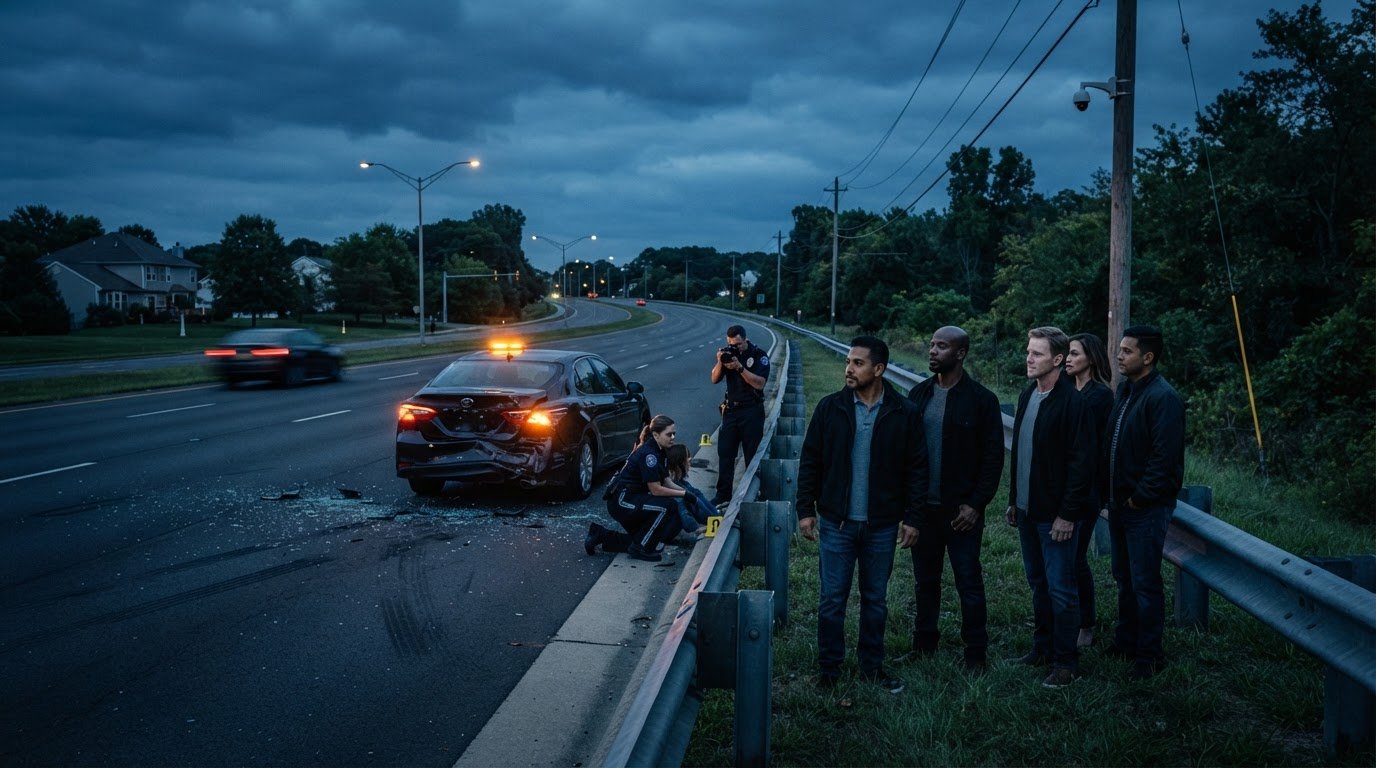
Hit and Run Accident: What to Do Next
The other driver has disappeared, and you’re left wondering whether to move your car, call the police, or look for witnesses. If you’re asking “hit and run accident what to do,” start by protecting yourself and anyone else at the scene. You don’t need to identify the driver before taking useful next steps.
It’s understandable to worry that the driver may never be found or that you won’t know how to report the crash and handle insurance. A calm, orderly response can help you address immediate safety concerns and preserve information that may matter later.
This guide explains what to prioritize at the scene and soon afterward, including when to seek medical attention, how to document what happened safely, and what details to share with police and your insurer. It also covers possible insurance paths when the other driver is unknown and how to prepare for case-specific legal guidance.
Key Takeaways
-
If you're unsure about hit and run accident what to do, follow a clear sequence: get to safety, seek help, report the crash, record details, and follow up.
-
Note any details you remember about the fleeing vehicle, such as its color, direction, partial plate, or distinctive features.
-
Preserve useful evidence safely, including photos, dashcam footage, witness information, and the locations of nearby cameras.
-
An identified driver and an unknown driver can affect the investigation and possible claim routes, but identity alone doesn’t determine eligibility.
-
Organize your timeline, report details, evidence, medical records, and policy documents before follow-up conversations or a legal discussion.
Table of Contents
-
Hit and Run Accident: What It Means and What to Prioritize First
-
What to Do After a Hit and Run: A Step-by-Step Response
-
How to Preserve Hit-and-Run Evidence and Handle Insurance Contact
-
If the Hit-and-Run Driver Is Unknown: Understand Possible Paths
-
Organize Your Next Steps and Find Legal Guidance After a Hit and Run
Hit and Run Accident: What It Means and What to Prioritize First
A driver leaving after a crash can create immediate uncertainty: Is anyone hurt? Is it safe to stay in the vehicle? What should you do before trying to identify the driver? Start with safety. The answer to “hit and run accident what to do” begins with checking for danger and injuries, not pursuing the person who left.
What counts as a hit-and-run accident?
Generally, a hit-and-run occurs when someone involved in a crash leaves without meeting the duties that apply where the incident happened. Those duties may involve stopping, providing identifying information, or offering reasonable aid. The details and legal classification vary by jurisdiction. This Hit and run accident definition provides general context, but it doesn’t replace local rules.
A hit-and-run need not involve two moving vehicles. A driver may strike another vehicle, a pedestrian, property, or an unattended parked car and leave. Property damage alone may still require action under local rules. In some circumstances, local law may allow a driver to exchange information later or follow another process. Don’t assume that no visible injury means reporting or information duties don’t apply.
What should you do in the first few minutes?
First, check yourself and others for immediate danger or injuries. If someone may be seriously hurt, there is an ongoing hazard, or emergency assistance is needed, call emergency services. Avoid moving an injured person unless staying where they are presents a more immediate danger.
If your vehicle is in a traffic lane or another unsafe position, move to a safer location only if you can do so without adding risk. Turn on hazard lights if it’s safe and practical. If you’re outside the vehicle, stay away from traffic and avoid standing between vehicles or near debris where another collision could occur. Don’t chase or follow the fleeing driver. Pursuit can put you and others at further risk and may leave no one at the scene to report what happened.
Address safety first, then reporting and documentation. Once immediate risks are handled, contact the appropriate authorities and write down what you remember while details are fresh. You don’t need to resolve every question at the roadside. Focus on reaching a safe location, getting needed help, and noting the basic events.
Even if you feel uninjured, pay attention to how you feel after the shock of the incident has passed. Some symptoms may not be apparent right away. Consider seeking medical attention if you have concerns, and don’t delay emergency help when injuries appear serious. You can document observations and handle other follow-up steps once immediate needs are addressed.
What to Do After a Hit and Run: A Step-by-Step Response
If you’re searching for “hit and run accident what to do,” follow these steps in order where circumstances allow. Immediate danger and urgent medical needs come first. Gather information only when it’s safe, and don’t follow or confront the fleeing driver.
-
Get to a safer position. Check for traffic, fire, damaged power lines, or other hazards. Move yourself and others away from danger if you can do so safely. Don’t return to a vehicle or area that still presents a risk.
-
Seek emergency help when needed. Call emergency services if someone appears seriously injured, there’s an immediate danger, or urgent assistance is needed. Describe your location and the situation as clearly as possible.
-
Report the crash promptly. Contact the appropriate police or local authority to report what happened and ask how to obtain an official report. Reporting procedures and timing requirements vary by jurisdiction, so don’t assume a property-damage-only crash is exempt.
-
Record what you observed. If it’s safe, note the fleeing vehicle’s make, model, color, direction of travel, and any part of the license plate you remember. Add distinctive details, such as visible damage, a roof rack, or an unusual marking. Separate what you saw from what you’re unsure about.
-
Follow up and keep a record. Write down the time, location, sequence of events, people you spoke with, and any report reference number. Keep related records together for follow-up.
How should you report the crash and speak with police?
Give a clear, factual account. Describe where the crash happened, when you noticed the other driver leave, what occurred beforehand, the direction the vehicle went, and any known injuries or damage. If you don’t know an answer, say so rather than guessing. Ask whether an officer will attend or whether you should complete a report through another process. Before ending the call or leaving, ask how to get a copy of the report or its reference number, and write down any instructions.
Details may be easier to recall once you’re out of immediate danger. Make a brief timeline and distinguish certain observations, such as a vehicle’s color, from estimates, such as its model. If you can’t report in person right away, contact the appropriate authority as soon as practical and ask about the applicable procedure.
What should you do about injuries after the scene?
Seek urgent medical care for serious symptoms or emergency concerns. Describe what you’re experiencing accurately to medical professionals, including when symptoms began and whether they’ve changed. Some symptoms may become noticeable later, so seek appropriate care if new concerns arise. Keep appointment details, medical instructions, and related records together, but don’t assume a diagnosis or cause before discussing it with a professional.
After immediate reporting and health concerns are addressed, a legal discussion may help clarify possible next steps. EMS Accident Cases offers a free MVA case evaluation and connects accident victims with attorneys. To explore whether further legal discussion may be appropriate, request a case evaluation.
How to Preserve Hit-and-Run Evidence and Handle Insurance Contact
Once immediate safety needs are addressed, organized records can help you explain what happened to investigators and your insurer. If you’re deciding hit and run accident what to do next, preserve what you already have rather than trying to investigate or approach the driver yourself. Gather information only when it’s safe and doesn’t interfere with emergency response.
When it’s safe and appropriate, photograph vehicle damage from several angles, along with the surrounding area, debris, relevant road or parking signs, and any visible injuries. Take wider views that show how vehicles or objects were positioned, as well as close-ups of specific damage. If taking photos would put you near traffic or another hazard, wait.
Check dashcam or vehicle-camera footage promptly. Some systems record over older files, so save relevant clips as soon as you can. Keep the original file unchanged and make a separate copy if you need to share it. Note the location of nearby security cameras and any potential witnesses, then pass those details to investigators. Don’t enter private property or put yourself at risk to obtain footage.
Evidence can help document events, but it doesn’t guarantee that a driver will be identified or that insurance will provide coverage.
Which details and records are useful to preserve?
Create a dated incident log while your recollection is fresh, then add updates as you receive them. Keep original photos and video files, police report details, witness contact information, medical records, repair documents, and insurer messages together. Record what you observed separately from what you learned later, and note when, how, and from whom you received new information. This helps keep details consistent during follow-up conversations.
How can you communicate with your insurer carefully?
Review your policy’s notice instructions and report the incident promptly, since notification requirements vary by policy. Give a factual account and distinguish what you know from what you’re unsure about. Don’t guess at the other vehicle’s speed, assign fault, or speculate about injuries. Coverage depends on policy language, the circumstances, and applicable state requirements. Don’t assume a particular type of coverage applies before the insurer reviews the claim.
Keep a record of each insurer conversation. Note the date, representative’s name or identifier, claim reference, information you provided, and any requested next steps or documents. Save copies of forms and messages, and record when you sent requested materials. If new information becomes available, such as a witness contact or saved footage, note when you received it and follow the insurer’s instructions for sharing it. Organized records make it easier to track what you’ve reported and what remains outstanding.
If the Hit-and-Run Driver Is Unknown: Understand Possible Paths
Not knowing who left the scene can make the next steps feel unclear, but it doesn’t automatically mean you have no options. The driver’s identity may affect the investigation and which insurance routes can be considered. It doesn’t, by itself, determine whether you’re eligible for coverage or compensation. What to do after a hit-and-run may depend on your policy, available evidence, the circumstances, and the laws that apply where the crash happened.
Collision coverage or uninsured-motorist coverage may be possible routes, depending on your policy terms and state requirements. Neither applies automatically in every situation. Review your policy and ask your insurer to explain which provisions, exclusions, notice deadlines, and proof requirements may apply to your circumstances.
Driver identified Driver unidentified