
Phantom Vehicle Accident Claim: Evidence, Coverage, and Next Steps
Can you pursue a claim when another vehicle causes a crash but never touches your car and disappears? A phantom vehicle accident claim may be an option, but the lack of contact can make it harder to establish what happened and which coverage applies. That uncertainty is understandable, especially when an insurer needs evidence to assess your account.
The key is to give a clear, supported account of how the other vehicle’s actions led to the crash. A no-contact incident may be treated differently from a hit-and-run involving physical contact, and policy terms and applicable rules can vary. Don’t assume that every sudden maneuver or unidentified driver will qualify.
This guide explains what a phantom vehicle claim may involve, what evidence to preserve, and why prompt reporting can matter. It also outlines which parts of your insurance policy to review and what to ask your insurer or a qualified attorney. These steps can help you understand your options, but they can’t establish that coverage or recovery is guaranteed.
Key Takeaways
-
A phantom vehicle accident claim involves an unidentified vehicle allegedly causing a crash without making physical contact; that differs from a hit-and-run where vehicles made contact.
-
Organize evidence to explain what happened, the other vehicle’s role, how the crash unfolded, and any resulting damage or injury.
-
Keep original photos, videos, messages, and records. Avoid editing them or adding details you can’t support.
-
Review your policy’s uninsured motorist, collision, and other potentially relevant provisions. Confirm reporting instructions with your insurer or relevant authorities.
-
Consider individual legal guidance if facts, coverage terms, injuries, or deadlines are disputed. An article alone can’t determine claim eligibility or value.
Table of Contents
-
What Is a Phantom Vehicle Accident Claim, and When Might It Apply?
-
What Evidence Can Support a Phantom Vehicle Accident Claim?
-
Does Insurance Cover a Phantom Vehicle Accident Claim?
-
How to Report and Organize a Phantom Vehicle Claim Step by Step
-
When to Seek Legal Guidance for a Phantom Vehicle Accident Claim
What Is a Phantom Vehicle Accident Claim, and When Might It Apply?
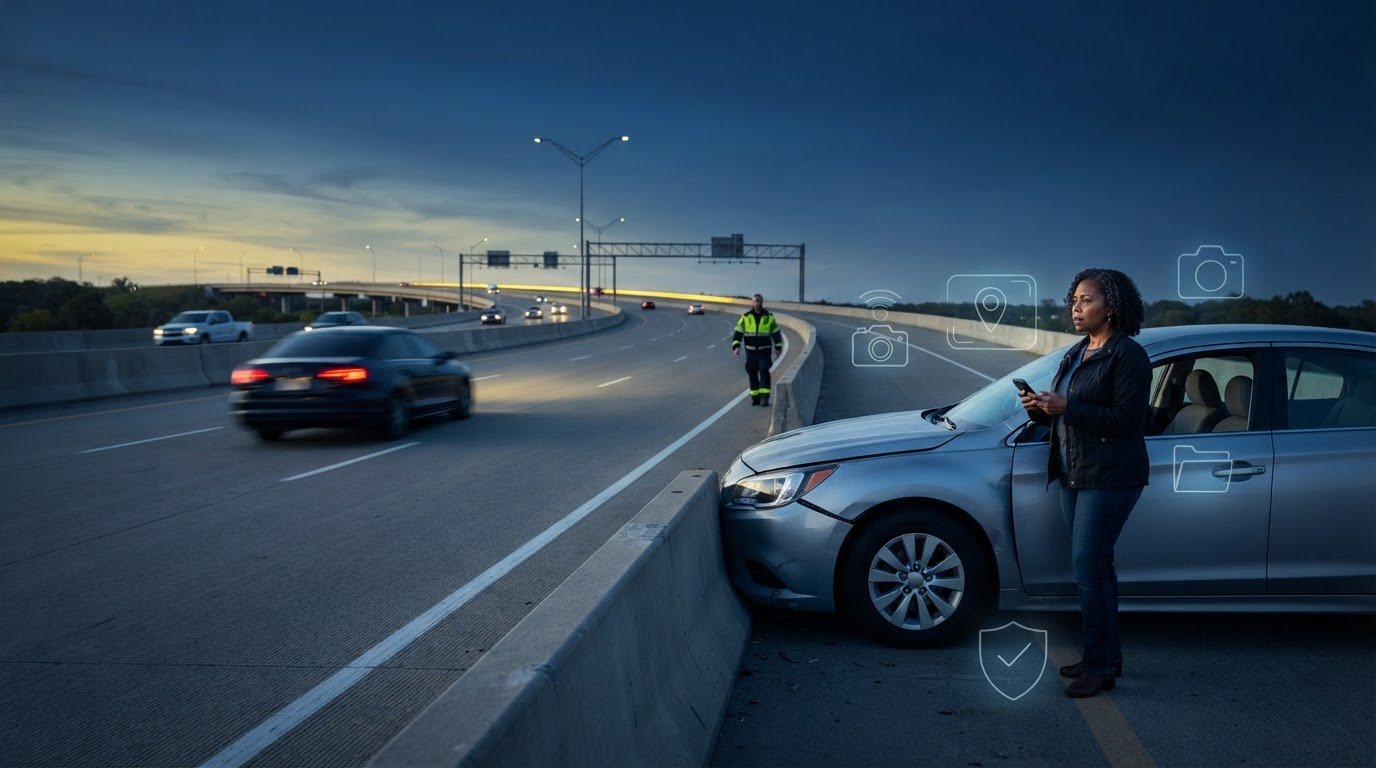
A phantom vehicle accident claim involves a crash allegedly caused by a vehicle that remains unidentified and did not make physical contact with the claimant’s vehicle. For example, a driver may say another car entered their lane and forced them to swerve, leading to a collision with a barrier or another vehicle. The term describes the reported circumstances. It does not mean an insurer will accept the account or that coverage applies.
The phrase phantom vehicle is used in auto insurance discussions for an unknown vehicle alleged to have caused a no-contact crash. The precise definition and any requirements depend on applicable law and the wording of the individual policy. Lack of contact doesn’t, by itself, establish or defeat every potential claim. The specific facts and supporting evidence matter.
How Can an Unseen or Unknown Vehicle Cause a Crash?
A driver might report braking or swerving to avoid a vehicle that entered their lane, turned across their path, or otherwise created an immediate hazard. To assess the account, an insurer or legal professional may need to understand the sequence: where each vehicle was, what the other vehicle did, how the driver responded, and what happened next. Merely mentioning an unknown car doesn’t establish that it caused the collision. Explain what you observed and identify what supports each part of the account, without overstating details you don’t know.
How Is a Phantom Vehicle Different From a Hit-and-Run?
The main distinction is physical contact. In a phantom-vehicle scenario, the reported crash occurs without contact from the unidentified vehicle. In a hit-and-run, vehicles make contact, then the other driver leaves before being identified or located. This difference may affect how a policy defines a covered event and what reporting or evidence requirements apply. Don’t assume a single national definition governs every claim.
When reviewing a possible phantom vehicle accident claim, keep observations separate from conclusions. Note whether contact occurred, what you personally saw, and what happened immediately before and after the crash. Then check the relevant policy language and ask the insurer which reporting instructions apply. Requirements can vary, so confirm them with the insurer or relevant authorities rather than relying on another person’s experience.
What Evidence Can Support a Phantom Vehicle Accident Claim?
A phantom vehicle accident claim can be difficult to assess because the alleged vehicle may not have touched your car or been identified. Organize available evidence around four questions: What happened? What did you observe about the other vehicle? How did the crash unfold? What damage or injury followed? Evidence can help clarify your account, but it can’t guarantee that an insurer will accept it or provide coverage.
Document details while they’re fresh, and keep the original files where possible. This makes it easier to compare your timeline with recordings, witness accounts, and physical evidence. Don’t edit images or video. When taking notes, distinguish what you personally saw from what you later learned or inferred.
Which Records and Witness Details Should You Preserve?
Write down the time and location, road and weather conditions, your direction of travel, and the sequence of events. Record descriptions as observations, not guesses. Save witnesses’ names and contact information, and ask whether they’re willing to describe what they saw in their own words. Keep records together so you can refer to the same timeline when speaking with the insurer or an attorney.
-
Photos and video: Keep original images of the scene and vehicles, dashcam files, and any other available recording. Note where nearby cameras may be located and ask the appropriate party how footage can be requested.
-
Reports and communications: Keep available police documentation, insurer messages, and notes of calls. Record the date, who you spoke with, and any instructions or requests.
-
Damage and injury records: Save repair-related documents and records of care you receive, if applicable. Keep copies with the date and source clear.
How Can You Document the Connection Between the Vehicle and Crash?
Describe only what you observed about the other vehicle, such as its direction or movement. If you didn’t see its make, model, or plate, don’t fill those gaps with assumptions. Record the order of events and note what supports each detail, such as a witness account, a recording, or visible roadway evidence. Include damage or other physical evidence only if it genuinely exists and is relevant to the crash.
Compare your notes with any available records, but don’t resolve an inconsistency by changing details you’re unsure about. Flag it and ask an appropriate professional how it may affect the claim. A careful record gives an insurer or attorney a clearer basis for evaluating the reported events, though it doesn’t decide liability or coverage on its own.
If the evidence is incomplete or your account is being disputed, you can explore a potential claim with an attorney. EMS Accident Cases connects motor vehicle accident victims with attorneys; it doesn’t directly represent claimants.
Does Insurance Cover a Phantom Vehicle Accident Claim?
Coverage depends on the facts, the wording of your policy, and applicable law. Uninsured motorist (UM) coverage may be relevant in some phantom-vehicle situations, but the policy may set conditions for claims involving an unidentified vehicle or no physical contact. Collision coverage or another policy provision may also be worth asking about. Don’t assume a particular type of coverage applies before the insurer reviews the policy and circumstances.
Use these questions to guide your policy review. They’re starting points, not a promise of benefits or claim eligibility.
Coverage to ask aboutQuestions to check
Uninsured motorist coverageDoes the policy address crashes allegedly caused by an unidentified vehicle? Are there specific definitions, evidence conditions, or reporting instructions for a no-contact event? Collision coverageDoes this provision address damage to your vehicle in the circumstances described? What exclusions, limits, or deductible terms should you review? Other policy provisionsCould another part of the policy be relevant to the losses you’re reporting? What documentation and notice instructions apply?
What Should You Check in Your Insurance Policy?
Review the definitions, covered losses, exclusions, notice instructions, and requirements for supporting documentation. If a term or condition is unclear, ask your insurer which specific policy provision it is evaluating and what information it needs from you. Keep a record of the response and any instructions provided.
Ask about applicable reporting and claim deadlines, and verify them with the insurer or a qualified attorney. Requirements can depend on the policy and jurisdiction, so don’t rely on a timeline from someone else’s claim or assume there’s one national deadline.
Why Can Phantom Vehicle Claims Be Disputed?
An insurer may need to assess whether another vehicle was present and whether its actions caused the crash. Limited evidence, differences between accounts, or questions about whether policy conditions were met can lead to further review. A disputed or no-contact claim isn’t automatically impossible. It means the account, available evidence, policy terms, and applicable rules need to be considered together.
For a phantom vehicle accident claim, ask the insurer to explain its coverage review in terms you can understand, including any missing information or disputed requirement. If you’re unsure how policy language applies to your circumstances, an attorney can provide individual legal guidance. EMS Accident Cases connects motor vehicle accident victims with attorneys, but does not directly represent claimants.
How to Report and Organize a Phantom Vehicle Claim Step by Step
A clear process can make it easier to report what happened and keep related information in one place. For a phantom vehicle accident claim, separate your observations from conclusions about fault, eligibility, or coverage. The insurer and, if needed, a qualified attorney can assess those questions based on the facts, policy, and applicable rules.
What Should You Do Soon After the Crash?
Start with safety. Move away from immediate hazards if you can do so safely, and seek medical attention when needed. Don’t delay urgent care to take photographs or collect information.
When practical, write down what you remember, including the event sequence and details you directly observed. Note potential witnesses and nearby cameras that may have captured the scene. If you’ve already saved photographs or video, keep the original files. Follow applicable instructions for reporting the crash to relevant authorities, and ask how to obtain or reference any report. Requirements can vary, so confirm what applies rather than assuming a specific deadline or process.
How Should You Communicate With the Insurer?
Report the incident according to your policy’s instructions. Give accurate information, and make clear when a detail is an estimate or something you didn’t see firsthand. For example, describe the direction a vehicle appeared to travel if you observed it, but don’t guess at its make, model, or driver. Avoid presenting a conclusion about legal fault or coverage as an established fact.